 Gelretours
Nijmegen is a city full of stories. You can see it in the old streets, the Roman remains, and the...
Gelretours – City walks with local guide
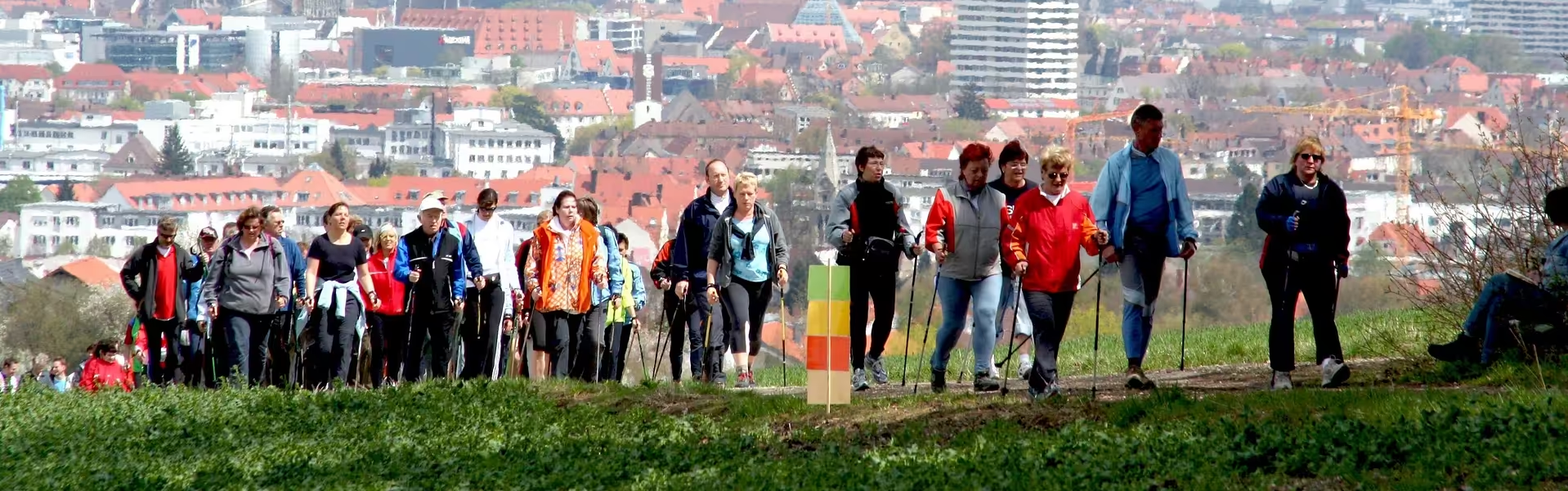
The Vierdaagse traces its origins back to 1909, when the first marches were organized by the Dutch Association for Physical Education. At that time, participants departed from various locations throughout the Netherlands. It was not until 1916 that Nijmegen secured a permanent role as the starting and finishing point, due to its beautiful hilly surroundings and hospitable reception.
Over the years, the event has grown into the largest walking tour in the world, with over 45,000 walkers participating today. What once began as a military training march has evolved into a sporting celebration for young and old, with the city of Nijmegen as its vibrant center.
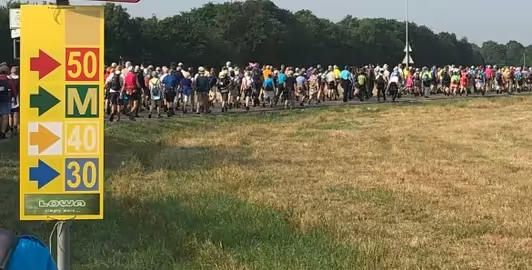
 During the Four Days Marches, participants walk a fixed distance for four consecutive days. The choice depends on age and gender, but also on personal challenge:
30 km per day: young people aged 12 to 16 and everyone aged 60 and over.
40 km per day: women aged 16 to 60, men aged 50 and over, military personnel with 10 kg of equipment.
50 km per day: mandatory for men aged 18 to 50.
Walking more is allowed, but less than the regulation distance is not.
Each day has a different route:
Day 1: Day of Elst
Day 2: Day of Wijchen
Day 3: Day of Groesbeek and the Seven Hills
Day 4: Day of Cuijk
During the Four Days Marches, participants walk a fixed distance for four consecutive days. The choice depends on age and gender, but also on personal challenge:
30 km per day: young people aged 12 to 16 and everyone aged 60 and over.
40 km per day: women aged 16 to 60, men aged 50 and over, military personnel with 10 kg of equipment.
50 km per day: mandatory for men aged 18 to 50.
Walking more is allowed, but less than the regulation distance is not.
Each day has a different route:
Day 1: Day of Elst
Day 2: Day of Wijchen
Day 3: Day of Groesbeek and the Seven Hills
Day 4: Day of Cuijk 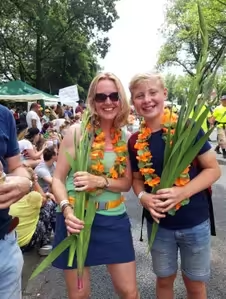
The final day of the Nijmegen Four Days Marches traditionally ends on the Via Gladiola, the St. Annastraat which is festively decorated for the occasion. Walkers receive gladioli here from their family, friends, and spectators. But why this particular flower?
The gladiolus symbolizes strength, victory, and pride. The name comes from the Latin gladius, which means sword. In Roman times, gladiators received gladioli as a sign of admiration after a victory in the arena. Similarly, walkers are honored during the Four Days Marches for their achievement, a tradition that makes the entry an emotional and unforgettable moment.
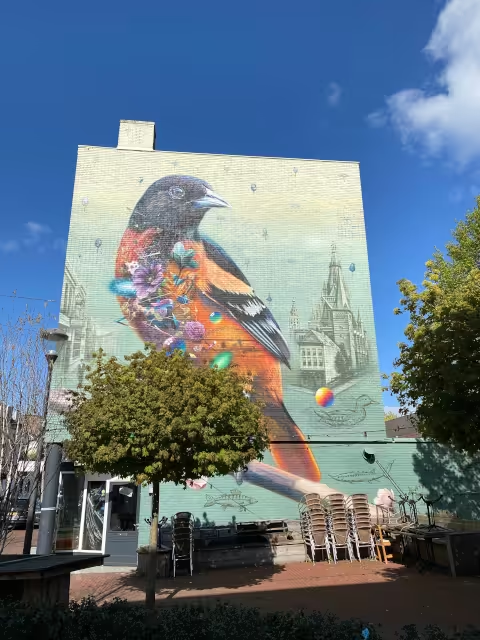
From Waalpaintings to hidden murals: experience Nijmegen with a street art tour
Nijmegen is a city full of stories. You can see it in the old streets, the Roman remains, and the...

Nijmegen four days marches: the origin, distances and meaning of the flowers
Every third week of July, Nijmegen is turned completely upside down during the Nijmegen Four Days Marches. Thousands of walkers...
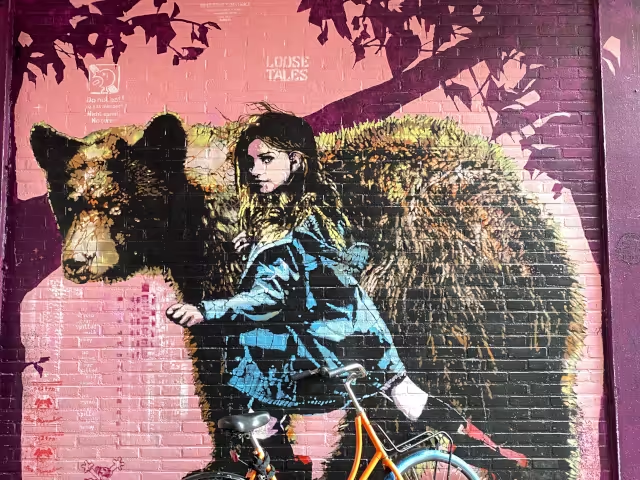
Colorful walk: explore Nijmegen Street Art with a guide
Admiring street art is an experience in itself, but discovering it with a guide takes your experience to a whole...